
However you need it made, made faster With AI
Intelligence in the service of craft means we lead with the idea, not the technology. AI has changed what's feasible in creative production across every format we work in. It hasn't changed the goal. Whether the output is a 90-second brand film, a 200-slide investor deck, a looping LED show for an event stage, an animated explainer, or a campaign of stills, the work still depends on taste, judgement, and a thousand decisions no tool can make for you. What's different is the distance between an idea in your head and a finished asset ready to deliver. That distance used to be measured in weeks and heavy budgets. Now it's often measured in hours, and the craft decisions stay where they belong, with the people making the work.
Here's how the process runs, whatever the format.
Ideation
1
In the old model, ideation is a talking phase. Mood boards stitched from Pinterest. Rough sketches. Reference decks that half-capture the vision. Storyboards drawn against a brief that hasn't been tested. Weeks spent circling the idea because showing it properly costs too much to do on spec.
We start by generating full visual treatments in a day or two.
For a film, that's photoreal concept frames close to what final shots will look like. For an animated piece, it's character designs, world tests, and style frames in multiple directions before a single rig is built. For a presentation, it's the actual visual world of the deck, slide archetypes, art direction, and hero frames, worked up before the copy is finalised. For an event, it's the environment, the stage content, the transitions, visualised at near-final fidelity before a pixel goes to render.
You see ten creative directions in the time it used to take to commit to one. Decisions get made against the actual thing, not a placeholder. Creative directors stop guessing. Clients stop imagining. The brief stops drifting.
Scale and format are agnostic. A single Instagram carousel, a boardroom pitch deck, a narrative short, a multi-screen LED stage, all compress the same way.
Preproduction
2
Traditionally, preproduction is where budgets balloon and timelines stretch. For film and animation, that's location scouts, casting, storyboarding, animatics, previz houses. For decks and events, it's rounds of layout exploration, rough graphics, stock searches that never quite land. All necessary. All slow.
We replace or augment most of that work with fast, specific outputs.
Location plates without a scout. Characters designed and wardrobe-tested inside the image before a set or a rig exists. Animatics and previz that used to take three weeks now take three days and arrive closer to final than traditional previz ever did. For presentations, every slide archetype mocked up at near-final polish so the client approves the look before we commit to building out 200 pages. For event content, the full run of show previewed as keyframes so the director, the technical team, and the client are working from the same picture.
For a small brand film, that can mean skipping a location day entirely. For a conference keynote, it means the deck arrives into production already visually resolved. For an animation, it means the look is locked before animators touch a timeline, which is where most budget overruns come from.
Less waste. Fewer surprises. Lower revision risk.
Production
3
People assume AI replaces the crew or the animator or the designer. Most of the time, it doesn't. What it changes is the ratio of what we capture, what we build by hand, and what we generate.
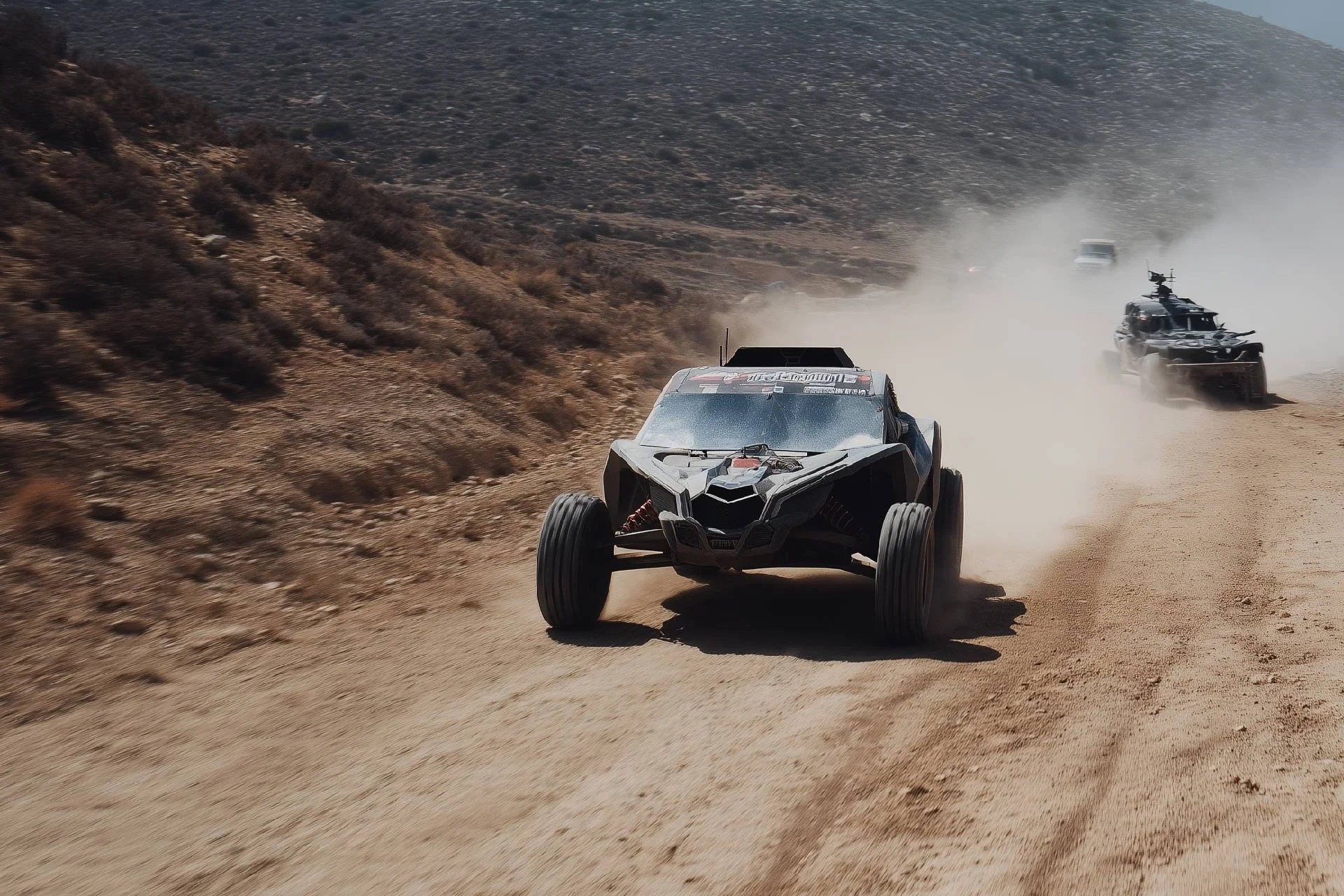
Some projects are fully AI-generated. Dystopian shorts and concept films where the imagery can't exist in the real world. Stylised animated sequences. Campaign stills that would have needed a seven-figure shoot. Event content with visual worlds built from scratch. We've delivered finished pieces using tools like Kling, Runway, Seedance, and Midjourney that hold up against traditional production at a fraction of the cost.
Other projects are hybrid. We shoot talent on location and extend the world around them. We animate character performance traditionally and generate the environments. We build a presentation in a real deck tool and fill it with imagery and motion the client couldn't commission any other way. A two-person team delivers what used to need twenty.
And some projects are straight traditional, with AI working quietly in the background. Shot references, storyboard assists, on-set previz, slide mockups, real-time look development so the director, animator, or designer can see where the work will land before committing.
The through-line is flexibility. We pick the right ratio for the brief and the budget, not the other way around.
Finalisation
4
Post is where traditional production hits its hardest bottleneck across every format. VFX queues for film. Render times for animation. Design rounds for decks. Edit and colour sessions booked weeks out.
We compress all of it. Upscaling, frame interpolation, VFX cleanup, voice work, music generation, slide polish, motion design passes, all happening in parallel inside the same team that started the project.
Revisions that used to cost a full VFX invoice cost a morning. A 4K upscale is an afternoon, not a week. Five regional language versions of the same film get built without recutting from scratch. A deck that needs to be redesigned for a different audience gets redesigned, not rebuilt. A looping event visual that the client wants shorter, brighter, or re-scored by Tuesday is shorter, brighter, and re-scored by Tuesday.
This matters most at the margins, where traditional production usually breaks. Deadlines that move. Scopes that expand. Final-round notes that used to mean either absorbing the cost or refusing the revision.
The finished work looks like finished work. The process that got it there just stopped costing what it used to.
-
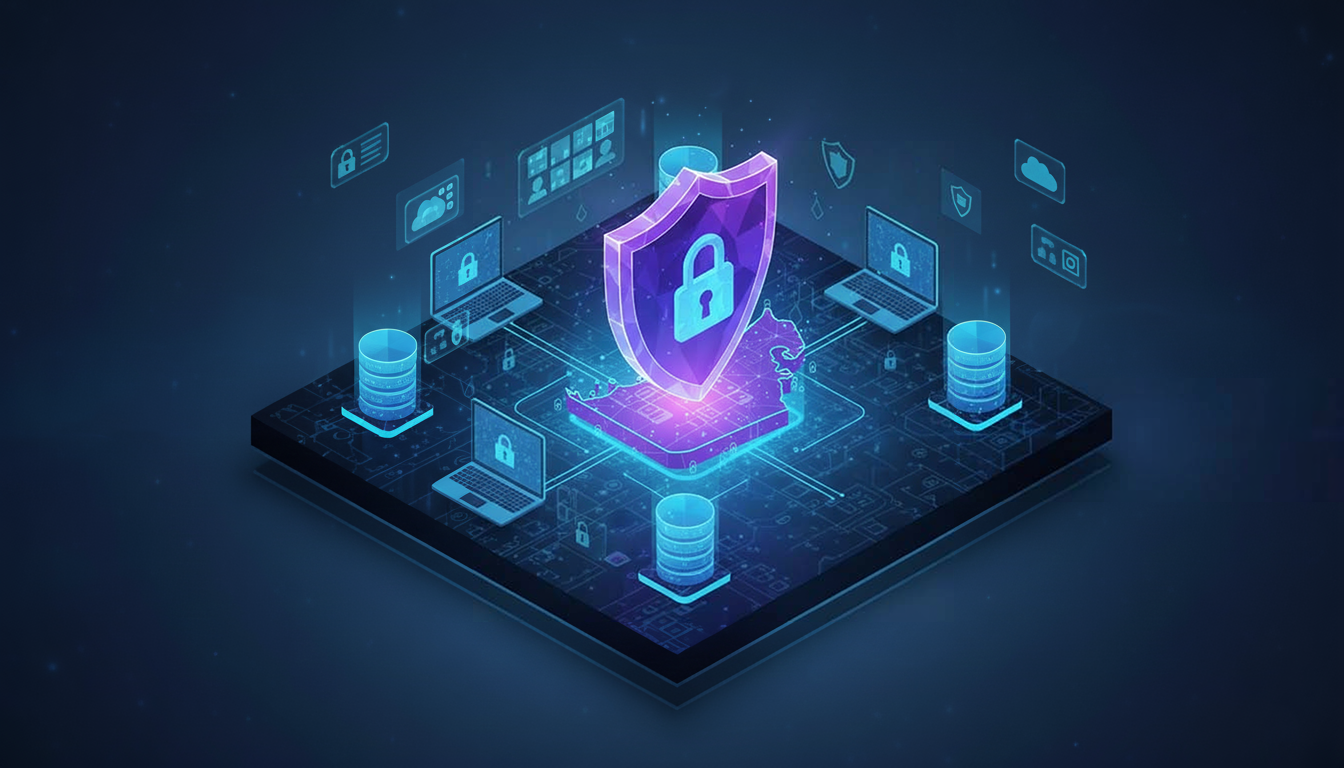
![Digital illustration of cybersecurity with a shield and lock symbol at the center, surrounded by laptops, clouds, and database icons on a dark circuit board background.]()
Complex cybersecurity, made clear.
An event-ready brand film that unified CYBRANYTECH’s cybersecurity services into one bold visual system. The story brought together authority, clarity, and national-scale relevance.
-
![]()
New List Item
Description goes here
Your next project belongs here.
Whether it's a brand film, an event centrepiece, or a presentation that has to perform — bring us the brief.